Choosing the Appropriate Boiler Maintenance: Suggestions and Hacks


Choosing the right boiler service is essential for maintaining the functionality and safety of one's heating system. Whether you manage a commercial building or a multi-family property, comprehending the nuances of boiler maintenance and repair can save you time, money, and potential hazards. Armed with the right tips and tricks, you can ensure that your boiler is not only functioning optimally but also meeting safety standards and regulations.
Starting with recognizing the symptoms of a cracked heat exchanger to learning how to how to calculate the heating efficiency of a commercial boiler system, being informed empowers you to make wiser decisions regarding one's HVAC needs. Routine maintenance, troubleshooting typical challenges, and knowing when to change rather than fix your boiler can significantly impact both the operational costs and the comfort of the occupants of your building. This article will guide you through essential knowledge and practical strategies to help you choose an optimal boiler service for your specific circumstances.
Heating System Efficiency and Functionality
When it comes to ensuring optimal boiler performance, understanding thermal effectiveness is crucial. One way to assess the heating efficiency of a business boiler unit is by figuring its Annual Fuel Utilization Efficiency (AFUE). This measurement demonstrates how much fuel is changed into usable heat. A greater AFUE rating signifies improved energy efficiency, which can translate into considerable cost savings over time. It’s crucial to evaluate and modify the settings regularly to confirm that the boiler runs at peak efficiency throughout its duration.
Another important aspect of boiler performance is the state of the heat exchanger. Specific symptoms can indicate that a boiler heat exchanger is cracked, such as mysterious drops in system pressure and the existence of water stains or leaks. A broken heat exchanger not only undermines efficiency but can also lead to serious safety concerns. Regular inspection and maintenance can help in identifying potential problems early, lowering the chance of costly repairs or substitutions later on.
Hard water scale buildup can have a detrimental effect on boiler energy efficiency. Over time, scale builds up inside the boiler, leading to decreased heat transfer and increased fuel consumption. This concern highlights the significance of regular water treatment and maintenance. By observing water quality and applying routine cleaning protocols, operators can lessen scaling and maintain the boiler's operational efficiency, ensuring reliable functionality over the long term.
Safety Inspections and Troubleshooting
Regular safety inspections are crucial for guaranteeing the durability and performance of your boiler system. Technicians conduct a comprehensive review during these inspections, focusing on key components such as the combustion system, heat transfer unit, and flue gas emissions. They examine for signs of wear and corrosion and ensure that all safety devices, such as automated safety shut-offs, are operating correctly. Additionally, they review the boiler's venting configurations to ensure they meet construction regulations and safety standards.
Identifying issues with a boiler can expose common issues immediately, such as low water pressure or strange sounds like banging, hissing, or gurgling. These sounds can indicate underlying issues that require immediate attention. For example, a loud boiler might be a indicator of mineral buildup, which can harm energy efficiency. Spotting Boiler Servicing Ridgwell can save money on repairs and extend your boiler's operational lifespan.
If issues arise, understanding how to pinpoint specific problems can save time and money. Knowing what to do if your boiler flame is amber instead of normal can be critical in identifying risks like incomplete combustion. Moreover, observational checks of components, including the heat exchanger and expansion tank, can provide information into the overall health of the boiler system. Routine upkeep and prompt troubleshooting help ensure secure and effective operation, ultimately leading to better energy management and lower expenses.
Service and Running Expenses
When evaluating boiler solutions, one of the key factors that impact your decision is the maintenance and functional expenses associated with each system. Regular upkeep plays a crucial role in making certain that your boiler operates efficiently, extending its lifespan and avoiding unforeseen breakdowns. Investing in scheduled inspections and proactive care can assist identify potential issues in advance, rescuing you from costly repairs later on. Technicians usually look for signs of damage, check the boiler's water chemistry, and assess the condition of the heating system to keep everything functioning well.
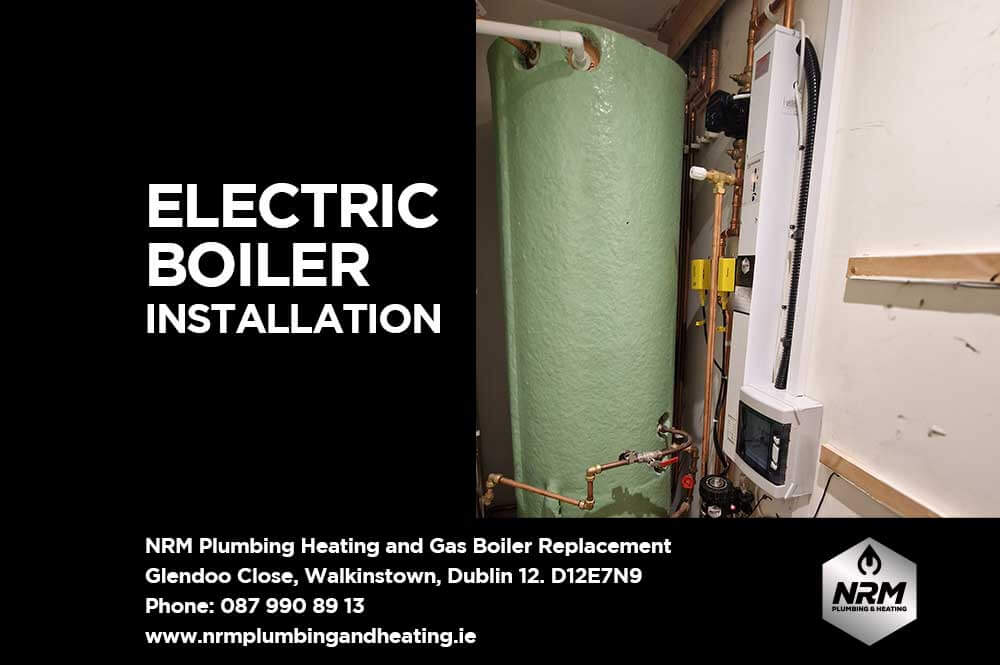
Operational costs also differ significantly between various types of boilers, particularly when comparing gas, oil, and electric options. High-efficiency modulating burners can significantly lower monthly heating costs, making them an appealing option for commercial facilities. Understanding how your commercial boiler manages and reset curves optimize fuel use can provide insights into your system's operational efficiency. Moreover, adopting energy-saving practices, such as using zone valves for better heat distribution, can further lower expenses associated with heating.
In conclusion, keep in mind the long-term implications of maintaining an older boiler versus investing in a new, energy-efficient unit. The true cost of operation includes both direct maintenance and energy expenses, as well as considerations for safety compliance. For example, ensuring regular carbon monoxide safety checks can prevent hazards and liabilities. Ultimately, a comprehensive analysis of both maintenance needs and operational costs will guide you in selecting the right boiler service for your needs.